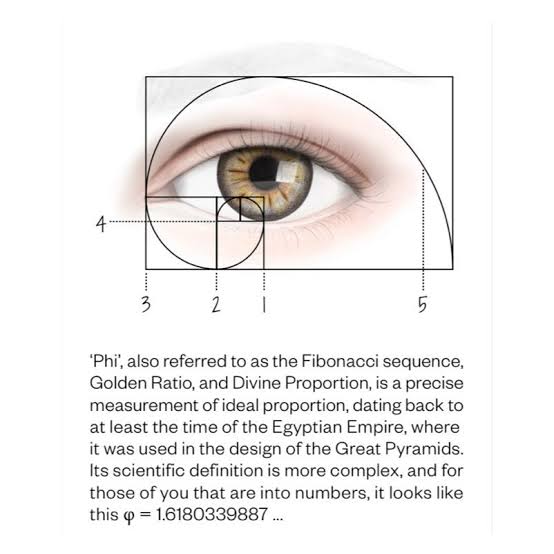
Leonardo da Vinci’s fascination with the Golden Ratio (approximately 1.618), often explored in his anatomical sketches and artistic compositions, provides a framework for creating balanced, harmonious eye makeup. While he didn’t design makeup techniques, we can apply the Golden Ratio—where a larger segment divided by a smaller one equals 1.618—to enhance the eye’s natural proportions. Here’s how to do it:
Step-by-Step Guide
- Prep the Eye: Start with a clean, primed eyelid and a neutral base shadow (e.g., beige) to unify the skin tone. This sets up a clear “canvas,” much like Leonardo’s preparation for proportional drawings.
- Map the Golden Ratio:
- Imagine a horizontal line across your eye from the inner corner to the outer edge. Divide it so the longer part (outer eye) is about 1.618 times the shorter part (inner eye). This split often falls near the outer edge of your iris when facing forward.
- Vertically, consider the space from your lash line to brow. The crease-to-lash-line distance should ideally be about 1.618 times smaller than the crease-to-brow distance.
- Eyeshadow Application:
- Inner Section (Shorter Part): Apply a light shade (e.g., cream or pale gold) to the inner third of the lid, up to that Golden Ratio split. This brightens and opens the eye.
- Outer Section (Longer Part): Use a medium shade (e.g., warm brown or mauve) from the outer iris to the outer corner, blending slightly upward and outward. This emphasizes the larger segment for depth.
- Crease Definition: With a deeper shade (e.g., espresso or plum), shade the crease, keeping its width roughly 1.618 times the height of the lid shadow below it. Blend softly to follow the eye’s natural arc.
- Eyeliner Proportions:
- Along the upper lash line, start with a thin line at the inner corner, thickening it as you reach the Golden Ratio point (near the outer iris). Peak the thickness there, then taper into a subtle wing if desired—keep the wing’s length about 1.618 times the liner’s widest point.
- For the lower lash line, apply a light shadow or liner only on the outer two-thirds, reinforcing the outward focus.
- Brow Bone Highlight: Dab a highlighter (e.g., shimmery white) under the brow’s arch. Position it so the distance from the brow peak to the crease is about 1.618 times the crease-to-lid distance, lifting the eye proportionally.
- Lashes for Balance:
- Curl your lashes to echo Leonardo’s love of natural curves. Apply mascara, concentrating more on the outer lashes—aim for their length or density to visually appear 1.618 times that of the inner lashes. This elongates the eye harmoniously.
- Assess and Adjust: Step back and check the overall effect. The makeup should flow naturally, with the outer eye drawing slightly more attention while the inner brightness balances it. Blend edges for a soft, sfumato-like finish—Leonardo’s signature technique of seamless transitions.
Why This Works
The Golden Ratio creates visual appeal because it mirrors proportions found in nature and the human face, which Leonardo studied extensively. By aligning shadow, liner, and lash emphasis with this ratio, you enhance the eye’s shape without forcing it—think of it as framing the Mona Lisa’s gaze. The result is subtle yet striking, with a balanced distribution of light and depth.
Tips for Success
- Use a brush or pencil to estimate the 1:1.618 split if you’re new to it.
- Stick to a simple color palette (e.g., nudes or earth tones) to master the technique before experimenting.
- Your eye shape might tweak the exact points—adjust slightly to flatter your features.
This method blends art and science, channeling Leonardo’s genius into a practical, elegant look. Play with it to find your perfect balance!

Let’s see Rae Morris’ Universally flattering eye makeup technique called ‘Eye Phi’.
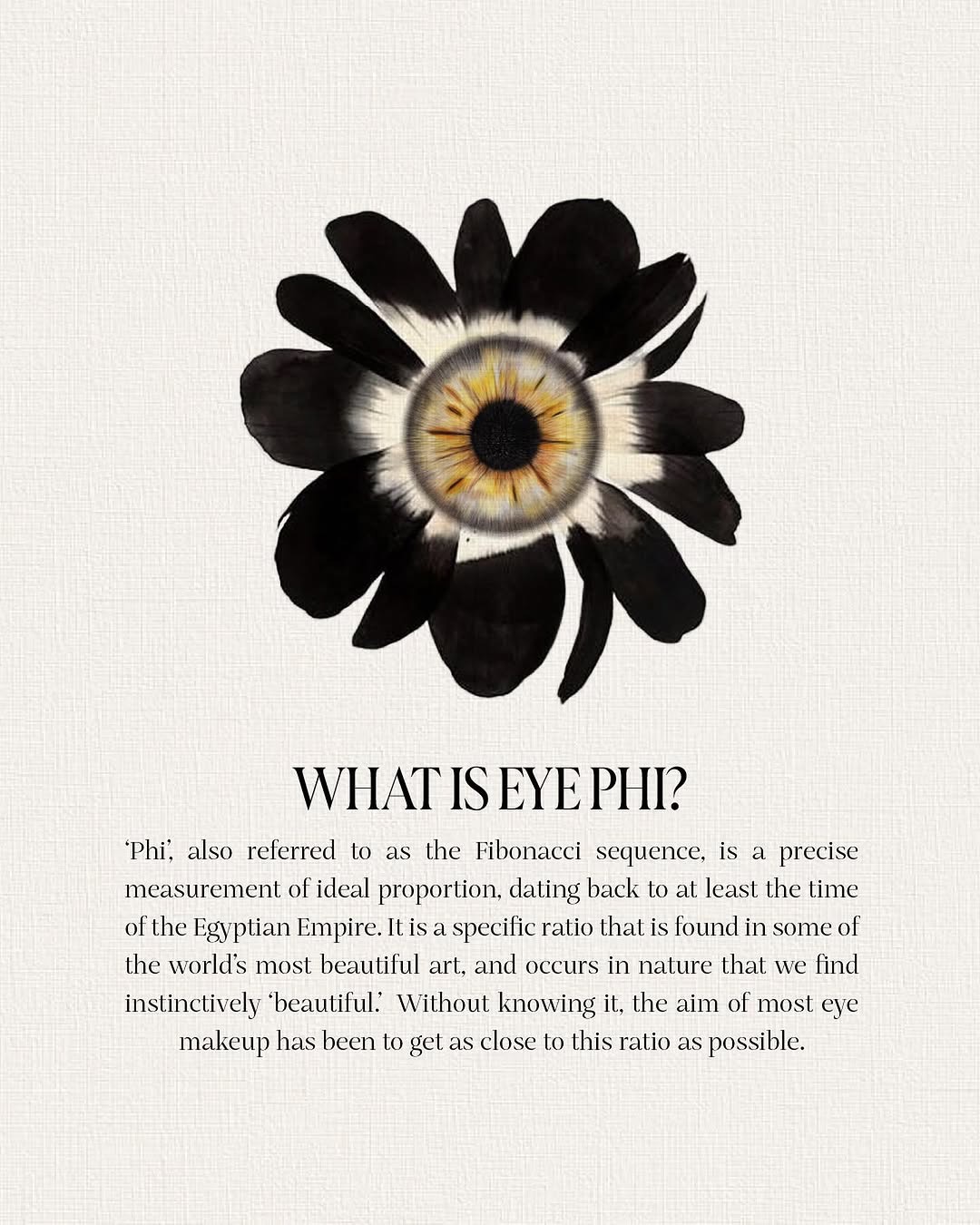
The Eye Phi Technique by Rae Morris is a makeup method inspired by the Golden Ratio (approximately 1.618), often referred to as “Phi,” which she adapts to create a universally flattering eye look. Morris, an acclaimed Australian makeup artist, developed this technique to enhance the eye’s natural shape, aiming for an almond-like, “Egyptian goddess” aesthetic that lifts and elongates the eye. It’s detailed in her book Makeup Masterclass (2016) and various tutorials, focusing on precise placement of eyeshadow, liner, and highlights based on proportional principles Leonardo da Vinci also explored in his work.
How to Apply the Eye Phi Technique
Here’s a breakdown of the technique, adapted for practical use:
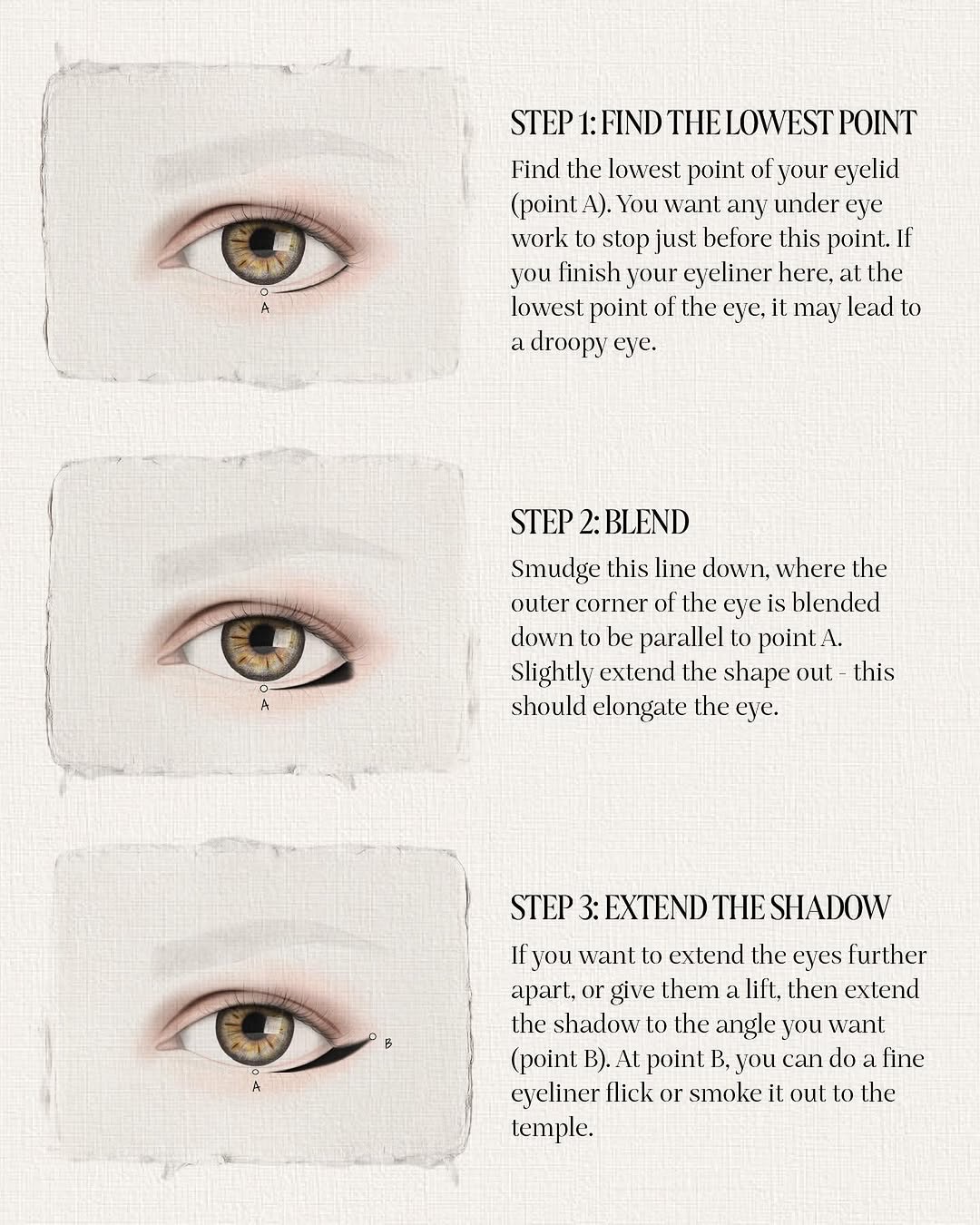
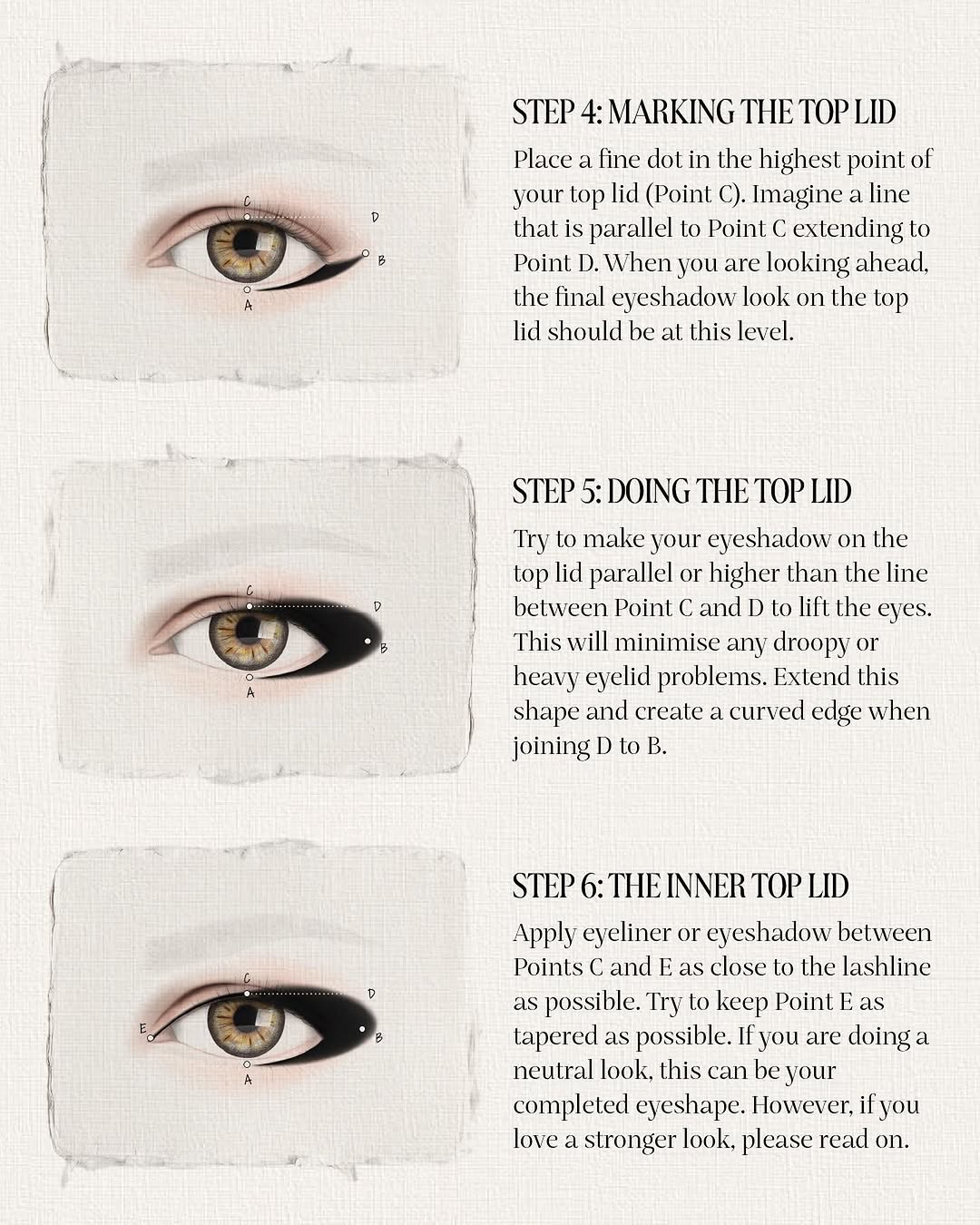
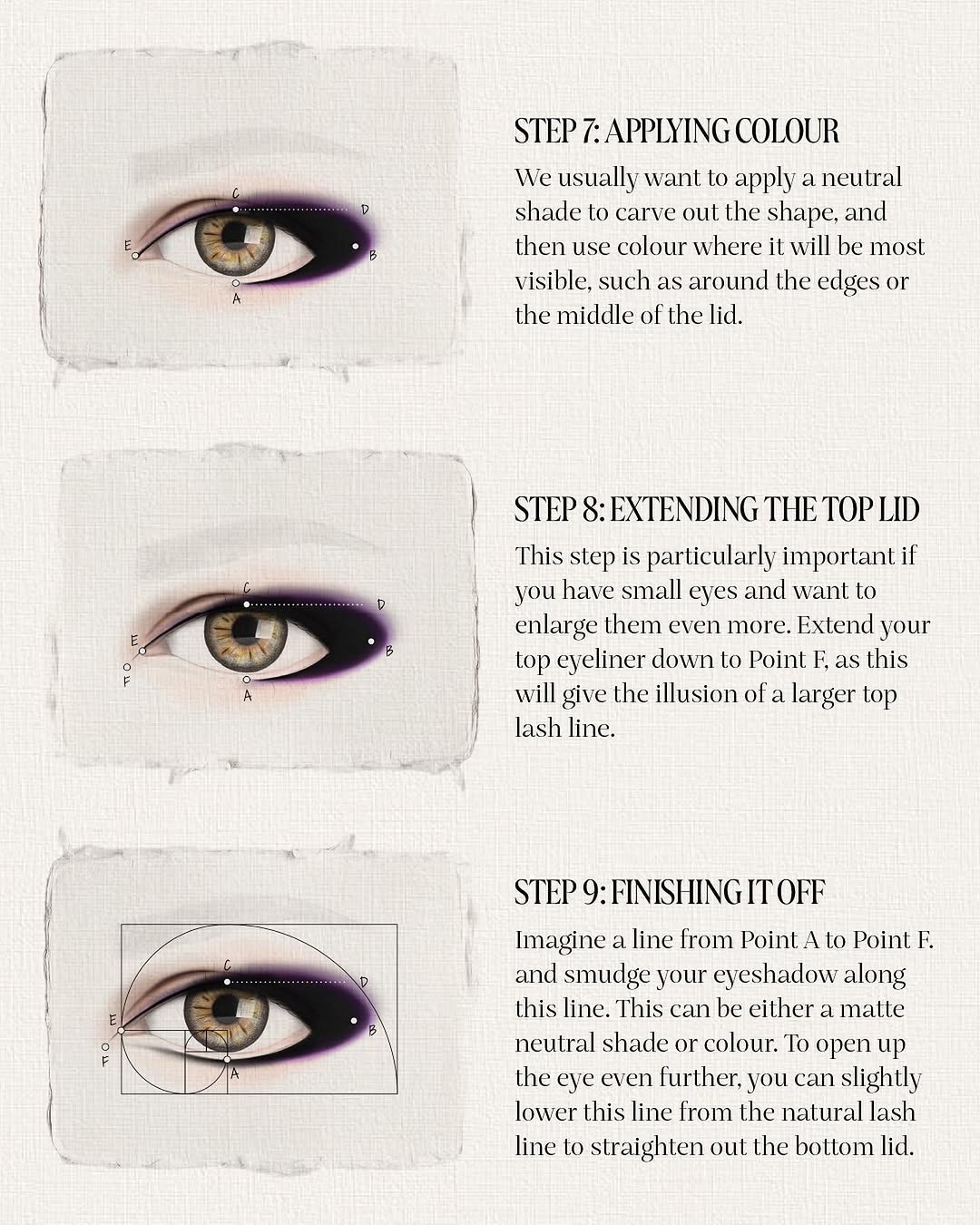
- Understand the Proportions:
- The Golden Ratio splits a distance so the longer part divided by the shorter equals 1.618. For the eye, imagine a horizontal line from the inner corner to the outer edge. The “Phi point” typically lands near the outer edge of the iris or just beyond when looking straight ahead—this is where emphasis shifts.
- Prep the Eye:
- Start with a primed lid and a neutral base shadow (e.g., a skin-tone shade) to even out discoloration, setting the stage for clean placement.
- Eyeshadow Application:
- Inner Corner (Shorter Segment): Apply a light shade (e.g., ivory or champagne) from the inner corner to roughly the Phi point (outer iris). This brightens and opens the eye.
- Outer Corner (Longer Segment): Use a medium shade (e.g., taupe or soft gray) from the Phi point outward, blending slightly above the crease and toward the outer edge. This builds depth where the eye naturally extends.
- Crease Accent: With a darker shade (e.g., charcoal or deep brown), define the crease, focusing on the outer half. Blend upward and outward, keeping the shadow’s height about 1.618 times the lid’s visible space for balance.
- Eyeliner Placement:
- Draw a thin line along the upper lash line, starting subtle at the inner corner and thickening toward the Phi point. Extend it into a soft wing, keeping the wing’s length roughly 1.618 times the liner’s thickest width.
- Optionally, apply a faint line or shadow under the lower lash line, but only on the outer two-thirds, reinforcing the outward lift.
- Highlight Strategically:
- Add a shimmer or light shade to the brow bone under the arch and a tiny dot at the inner corner. The brow highlight should sit so the distance from brow peak to crease feels proportionally longer (about 1.618 times the crease-to-lid space).
- Lashes for Emphasis:
- Curl lashes and apply mascara, focusing extra volume or length on the outer lashes to visually stretch the eye outward in line with the Phi proportion.
- Blend and Refine:
- Blend edges softly—think of Leonardo’s sfumato—to avoid harsh lines. The goal is a seamless gradient that lifts the eye naturally.
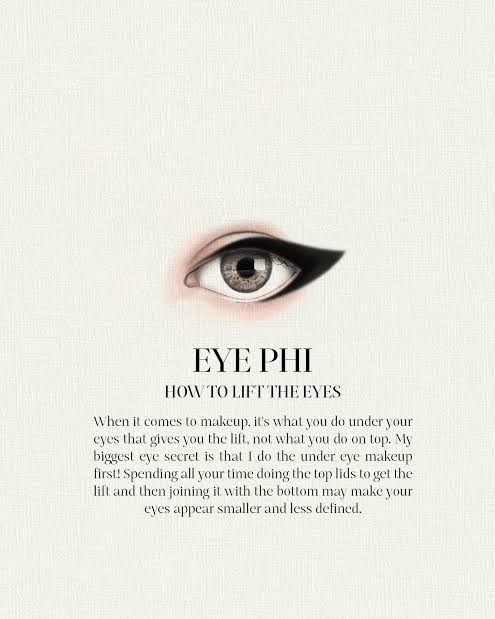
Why It’s Effective
Morris ties this technique to the Golden Ratio’s presence in nature and art, suggesting it taps into an innate sense of beauty. By concentrating depth and length on the outer eye while keeping the inner area light, it creates an almond shape that suits most eye types—hooded, round, or almond—though adjustments may be needed. For example, hooded eyes might require less crease shadow to avoid heaviness, while round eyes benefit from a stronger outer wing.

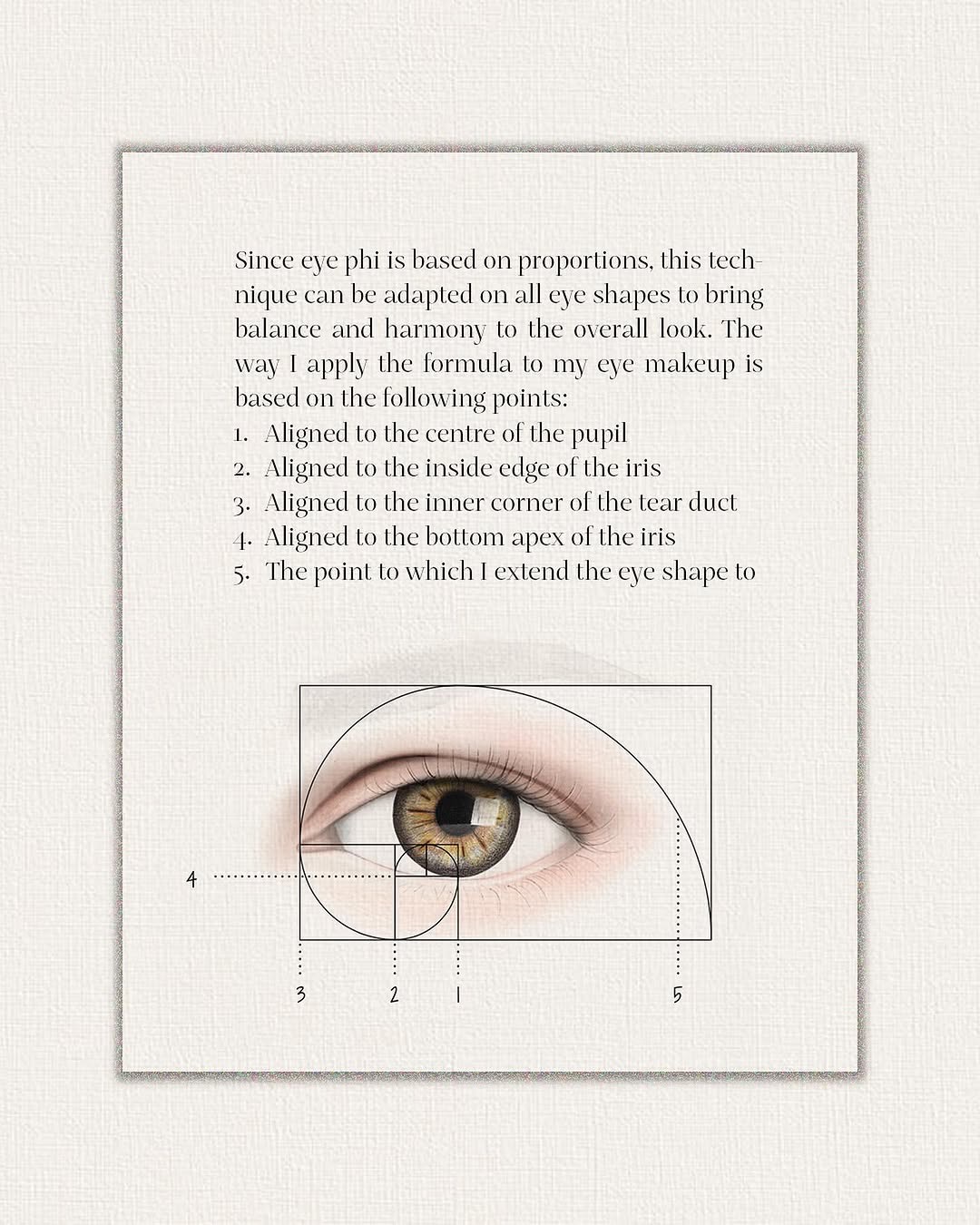
Tips from Morris’ Approach
- Use reference points like the pupil’s center or iris edge to find your Phi split if measuring feels tricky.
- Morris emphasizes this works across ages and eye shapes, but practice tweaking for your unique features—e.g., lifting the outer shadow higher for downturned eyes.
- Her tutorials often pair this with her Jishaku brushes, though any precise tools work.
This technique isn’t about rigid math but about using the Golden Ratio as a guide for intuitive, flattering placement. It’s gained attention through demos by Morris and others like Wayne Goss, who showcased it on YouTube, sparking buzz for its “scientific” yet artistic appeal. Try it with a simple palette first to nail the flow!



No comments:
Post a Comment